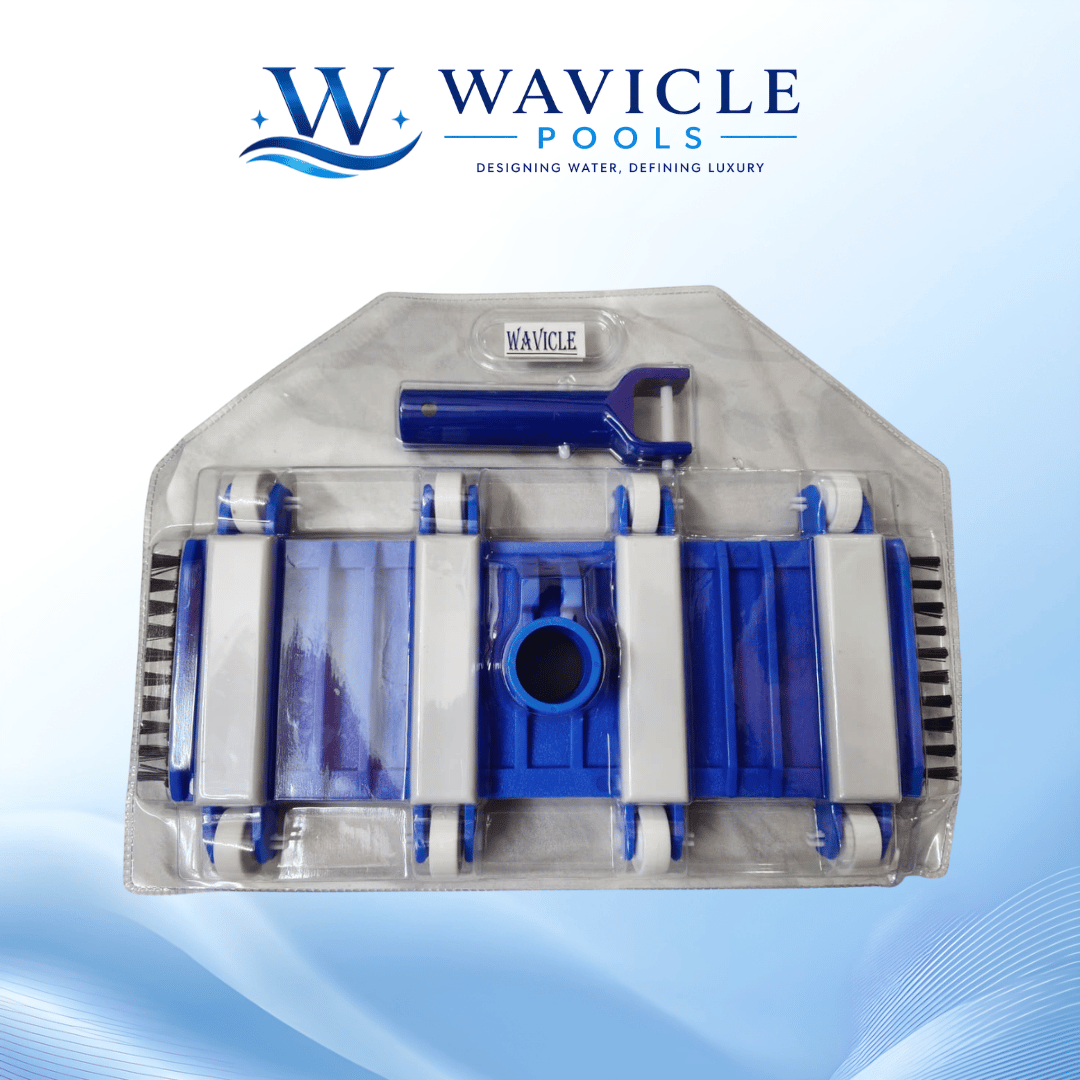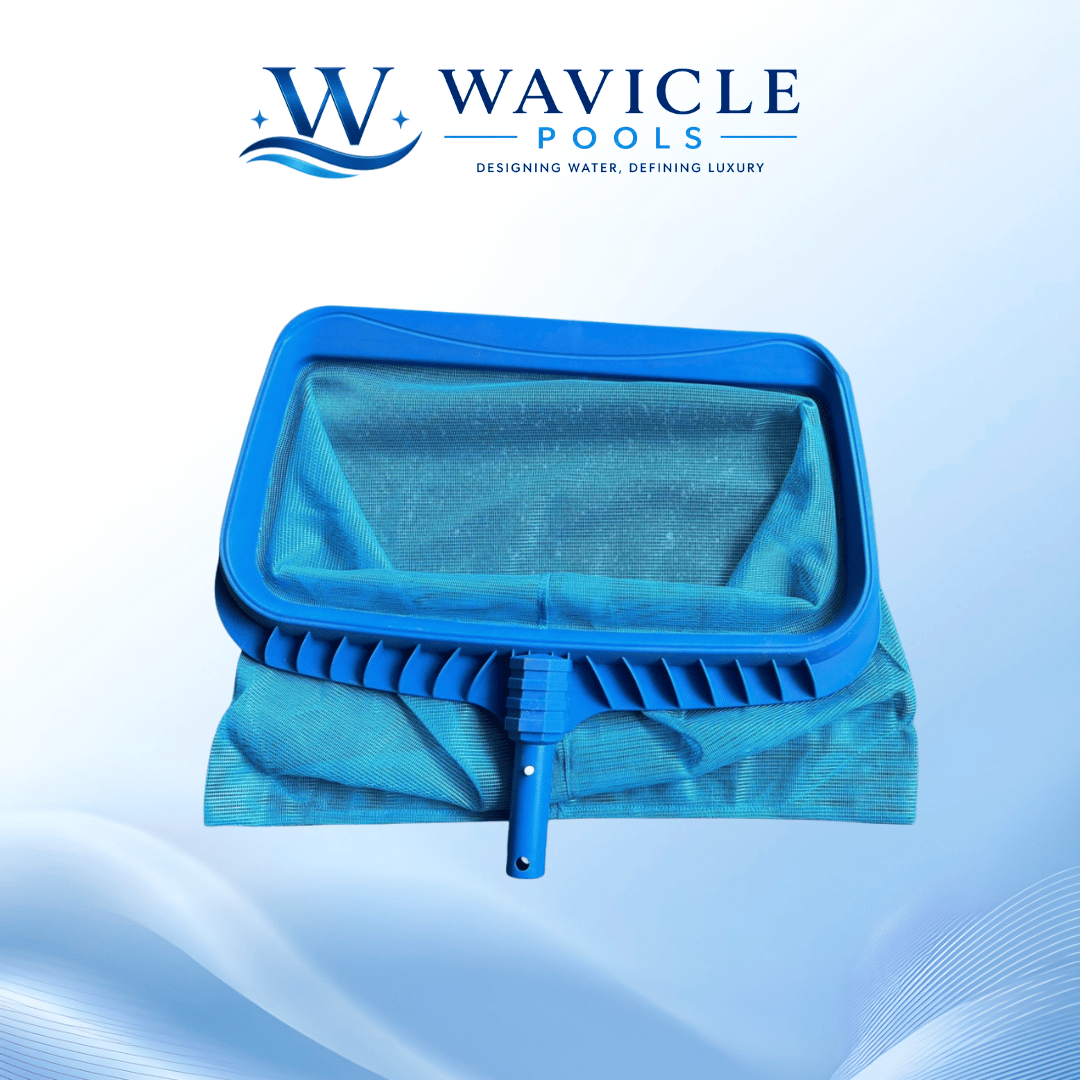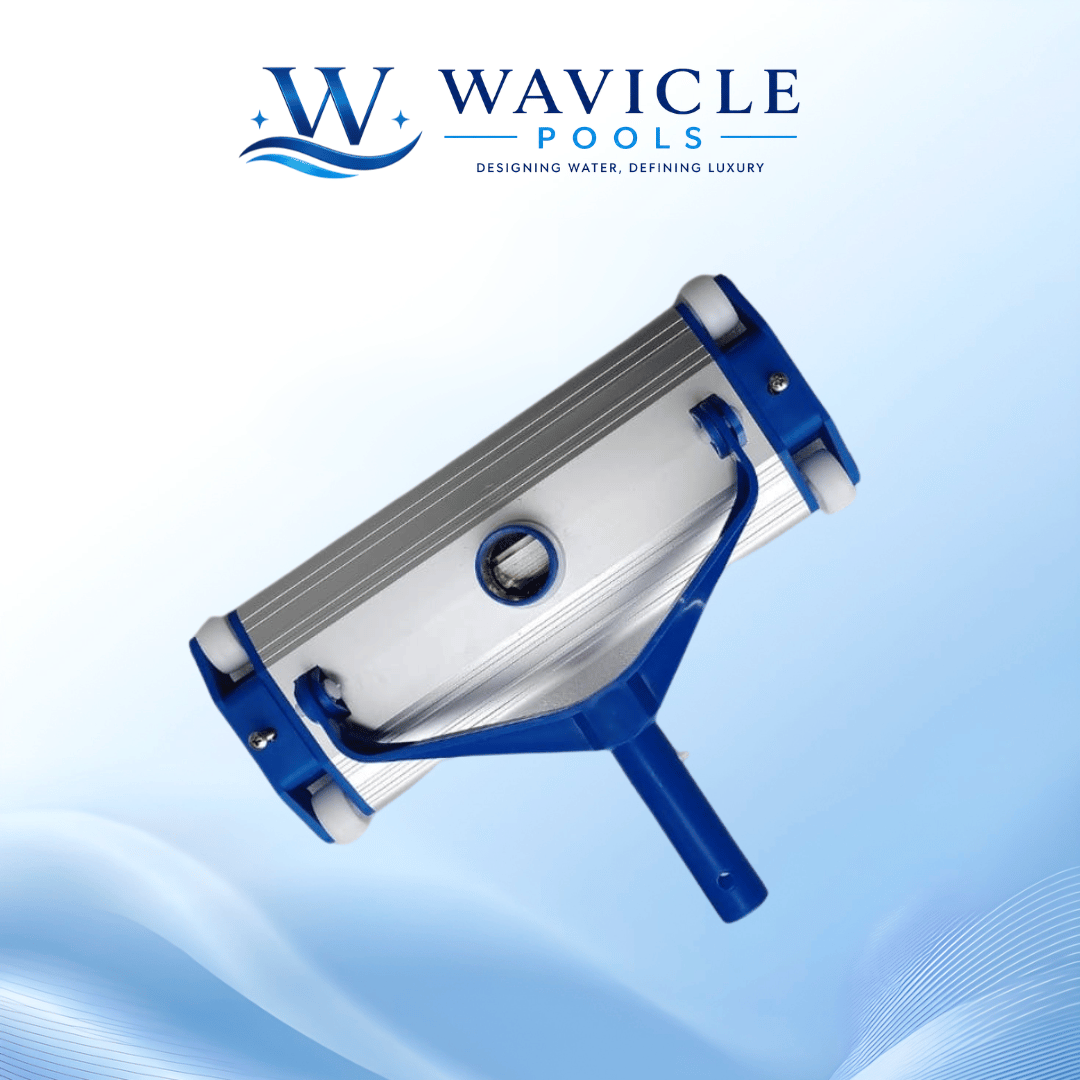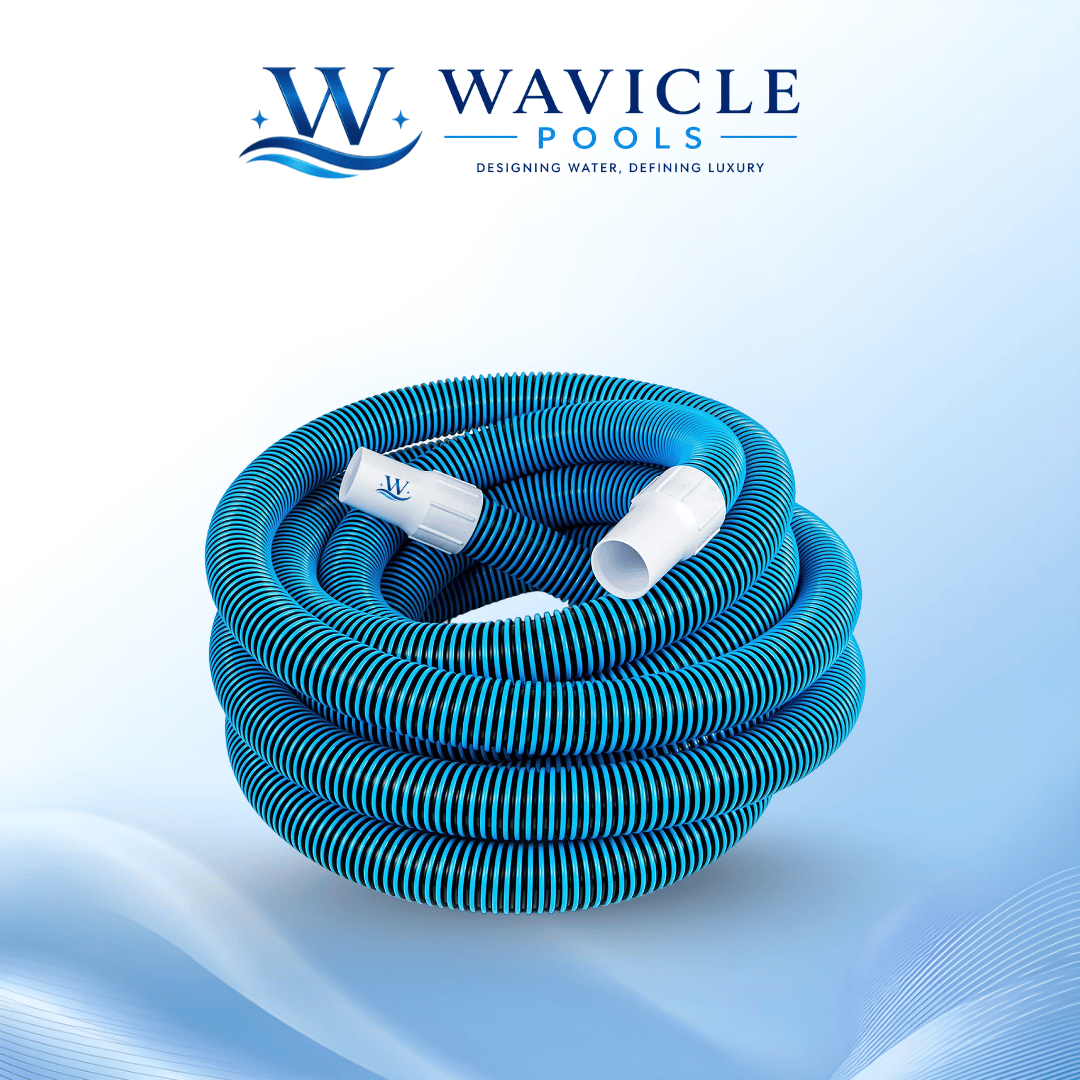
Wall Cleaning Brush is an essential part of pool maintenance to ensure that your pool water remains clear, healthy, and safe for swimming. Algae growth in pools can lead to cloudy, green, or even slimy water, and if left untreated, it can affect your pool’s filtration system, leading to more complex cleaning tasks and higher maintenance costs.
Whether you’re dealing with minor algae spots or a full-on algae bloom, here’s an overview of the algae cleaning process and tips for maintaining a clean, algae-free pool.
Algae are microscopic plants that can quickly grow in pool water, thriving in warm, stagnant, and poorly circulated water. They often appear in various colors, including green, yellow, and black, and are typically found on the pool walls, floor, and waterline.
The main types of algae found in pools are:
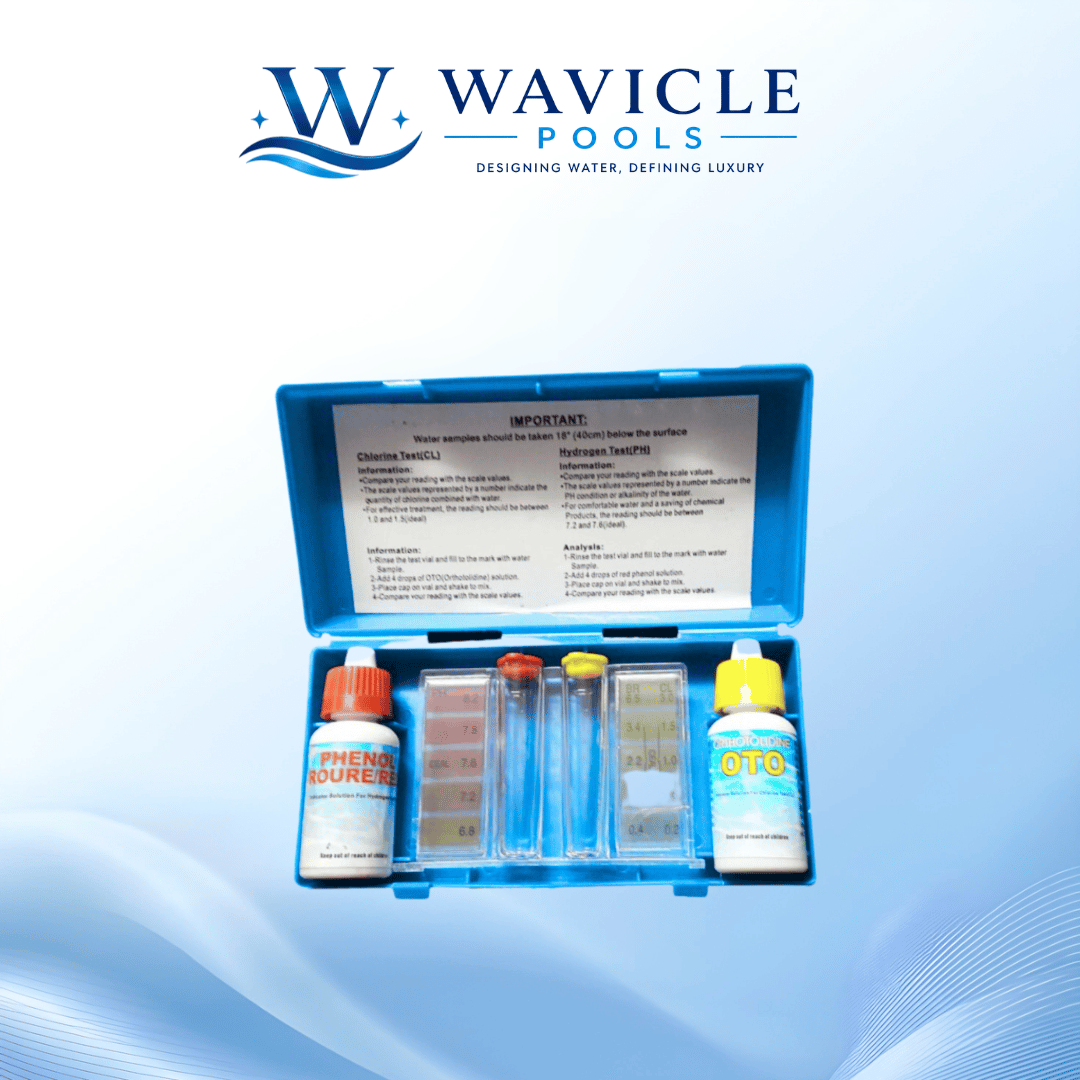
Before addressing algae growth, ensure your pool’s chemistry is balanced. Use a pool water test kit to check levels for:
If these levels are off, adjust them accordingly before starting the algae treatment process.
Shocking the pool means adding a large dose of chlorine or a pool-specific oxidizer to destroy algae and other organic contaminants in the water. This process helps kill algae cells and improve the effectiveness of your filtration system.
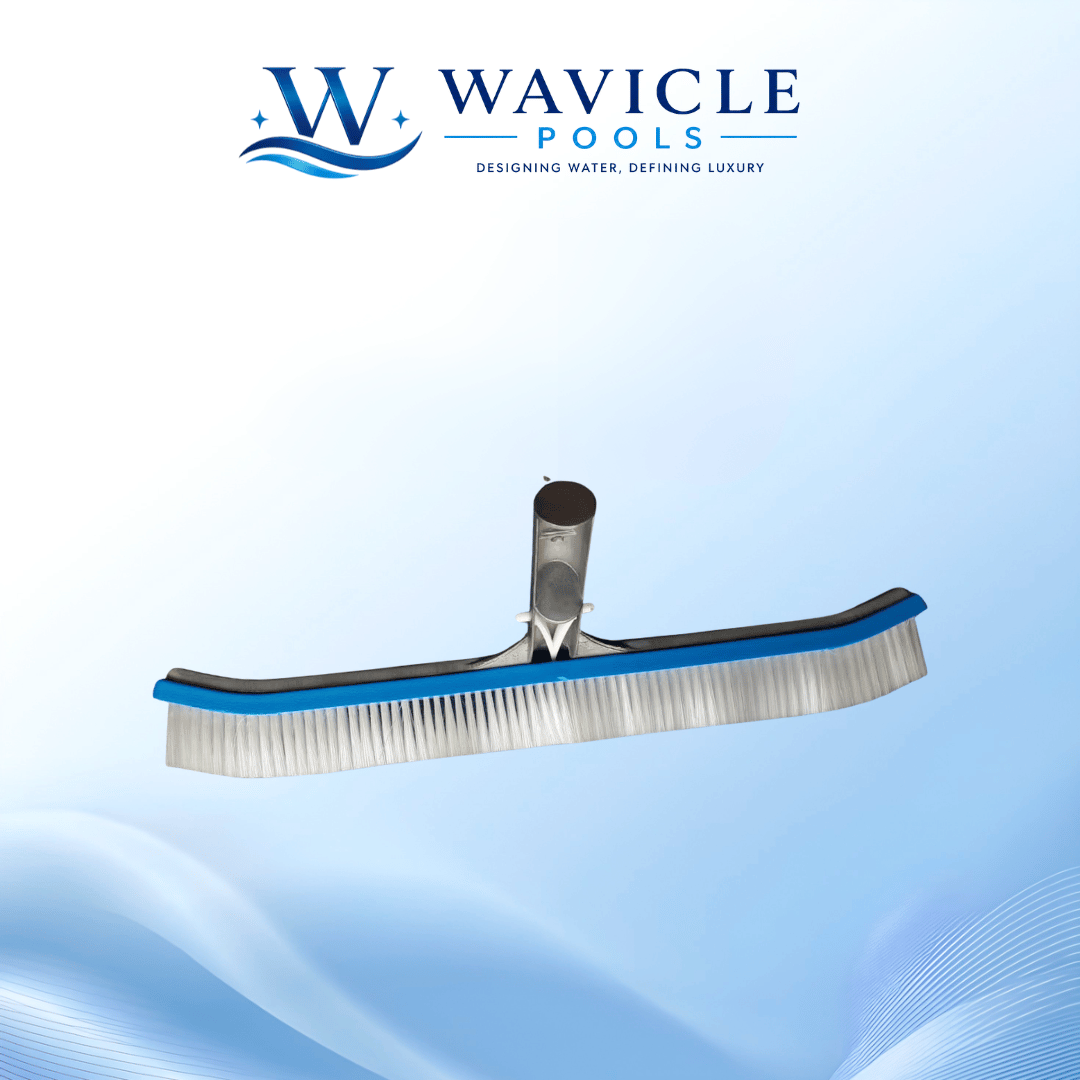
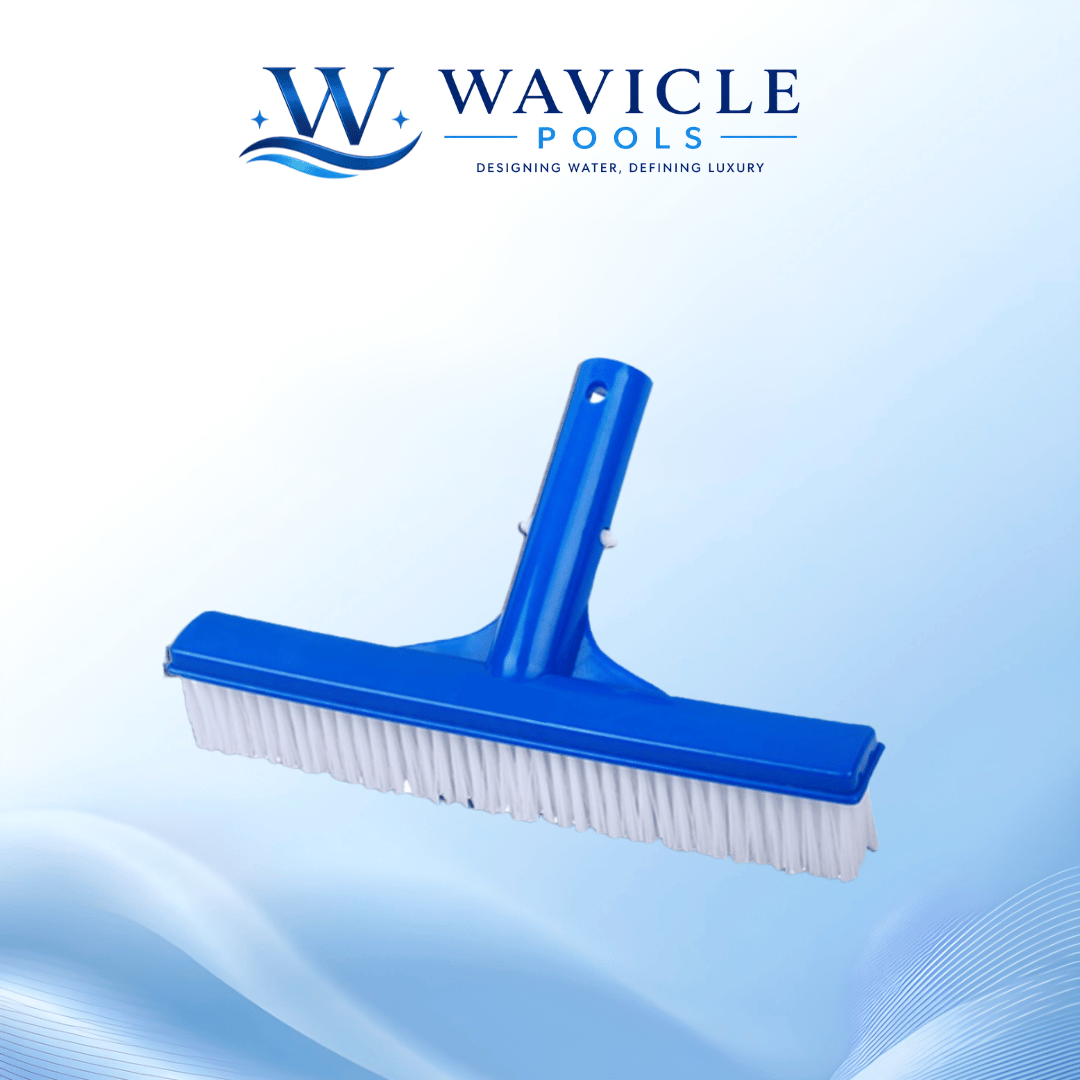
Brushing the pool’s walls, floor, and waterline is a critical step, especially if you're dealing with stubborn algae like black or mustard algae. Scrub the surfaces with a pool brush, paying special attention to corners, steps, and any crevices where algae can hide. This will help break up algae and allow the shock treatment to penetrate and work more effectively.
After shocking and brushing, run the pool pump and filter continuously for at least 24 hours. The filter helps to remove dead algae and other particles from the water, ensuring your pool water clears up more quickly.
If you have a sand filter, you might want to backwash it after the algae treatment to ensure that it’s not clogged with algae residue. If you’re using a cartridge filter, check to see if the cartridges need cleaning or replacing.
After shocking the pool, you can apply an algaecide as a preventive measure or to help kill any remaining algae. Algaecides are chemicals designed specifically to target and kill algae. However, they should not be relied upon as a sole treatment—they work best when used in combination with proper shock treatments.
After the shock treatment has had time to work and the algae has started to die, it’s time to vacuum the pool. Use either a manual vacuum or an automatic cleaner to remove dead algae, dirt, and debris from the bottom of the pool. If the algae bloom was severe, this step may need to be repeated several times over the course of a few days.
Ensure your pool’s filtration system is running properly and clean it regularly. Make sure the filter is clean and functioning at full capacity to remove dead algae and other debris from the water.
After the algae is cleaned and the pool is back to normal, continue to monitor the chemical levels, especially chlorine. You might need to add small doses of chlorine or shock the pool again until water clarity is restored.